Blog

  • Flowers That Start With “D”

    Flowers bring color, fragrance, and life to gardens. Many beautiful flowers begin with the letter “D”, and they vary widely in shape, color, fragrance, and growing requirements. Below are some popular D-flowers along with useful gardening information to help them grow successfully.


    1. Dahlia
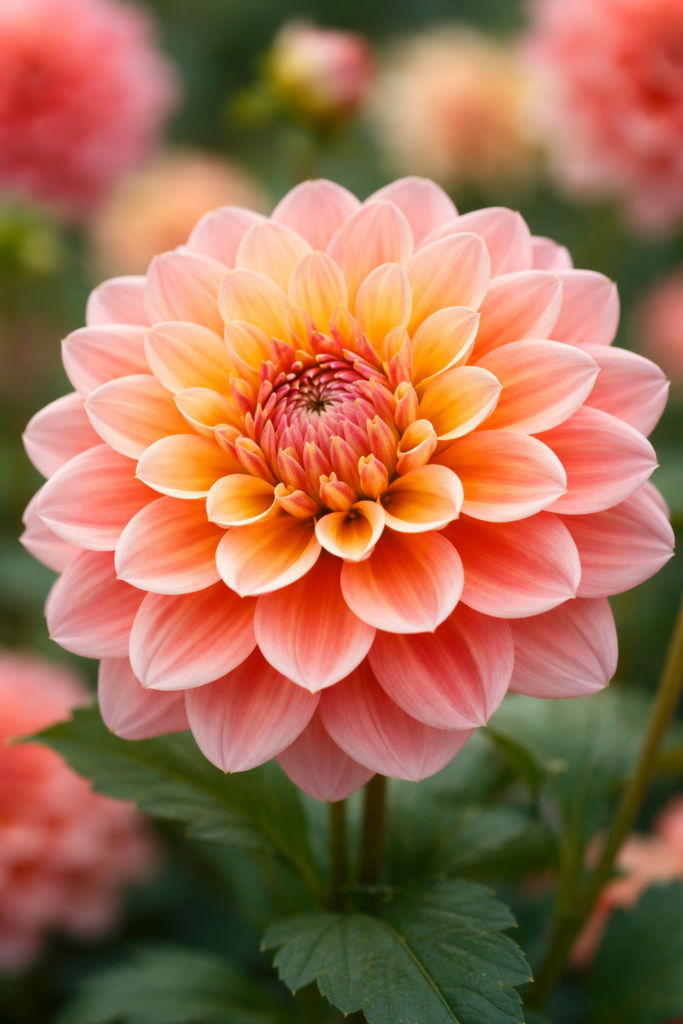
    Overview
    Dahlias are one of the most popular garden flowers known for their large, vibrant blooms and wide range of colors.

    Varieties

    • Decorative Dahlia
    • Cactus Dahlia
    • Pompon Dahlia
    • Ball Dahlia

    Colors
    Red, pink, yellow, orange, white, purple, and multi-colored.

    Season
    Late summer to autumn.

    Soil

    • Well-drained, fertile soil
    • Slightly acidic to neutral (pH 6.0–7.0)

    Environment

    • Full sunlight (6–8 hours daily)
    • Warm climate preferred

    Water Requirement

    • Moderate watering
    • Keep soil moist but not waterlogged

    Fertilizer

    • Use low-nitrogen fertilizer
    • Apply every 3–4 weeks during growing season

    Fragrance
    Most dahlias have little or no fragrance but are loved for their stunning appearance.

    Growing Tips

    • Plant tubers after the last frost
    • Provide staking for tall varieties
    • Remove faded flowers to encourage more blooms

    2. Daffodil
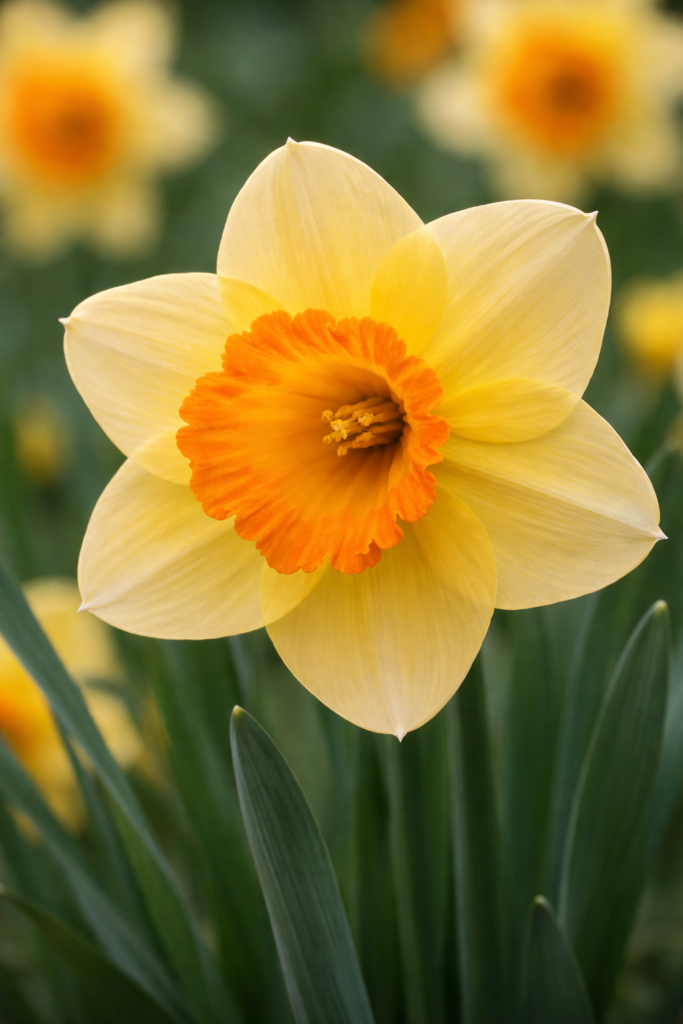
    Overview
    Daffodils are cheerful spring flowers that symbolize renewal and new beginnings.

    Varieties

    • Trumpet Daffodil
    • Large-Cup Daffodil
    • Miniature Daffodil

    Colors
    Yellow, white, orange, and bi-colored.

    Season
    Early spring.

    Soil

    • Well-drained soil rich in organic matter.

    Environment

    • Full sun to partial shade
    • Cool climates preferred

    Water Requirement

    • Moderate watering during growth
    • Reduce watering after flowering

    Fertilizer

    • Balanced fertilizer during early growth.

    Fragrance
    Many varieties have a sweet, pleasant fragrance.

    Growing Tips

    • Plant bulbs in autumn
    • Allow leaves to die back naturally after flowering

    3. Dianthus
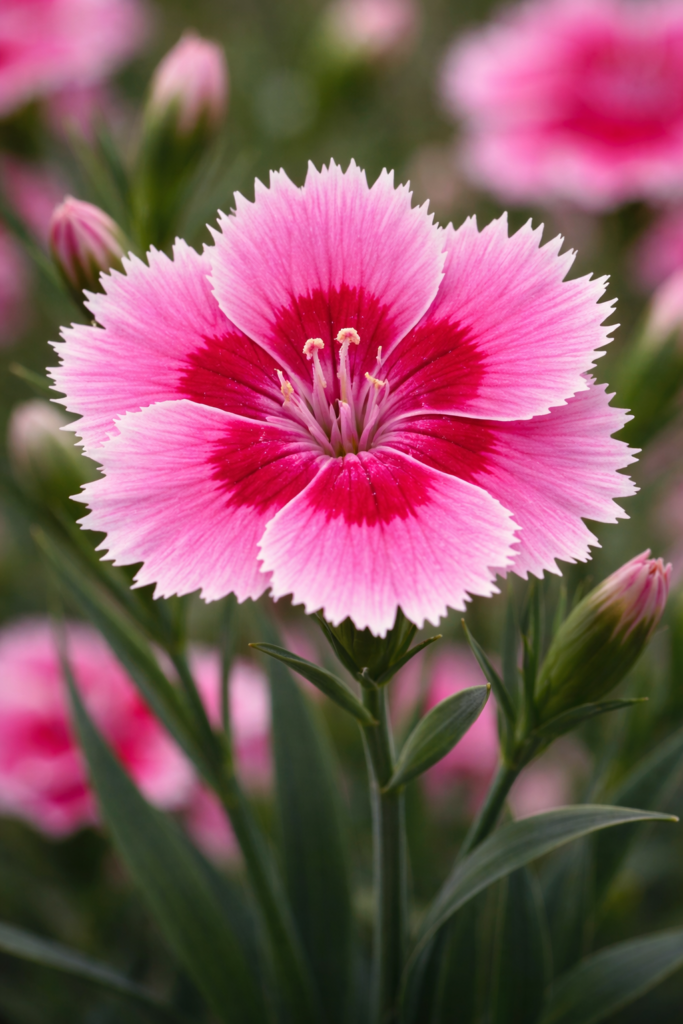
    Overview
    Dianthus flowers are small, fragrant blooms often called “pinks.” They are popular in borders and rock gardens.

    Varieties

    • Sweet William
    • Carnation Dianthus
    • Maiden Pink

    Colors
    Pink, red, white, purple, and bi-colored.

    Season
    Spring to early summer.

    Soil

    • Well-drained, slightly alkaline soil.

    Environment

    • Full sun
    • Good air circulation

    Water Requirement

    • Light to moderate watering
    • Avoid soggy soil

    Fertilizer

    • Light feeding with balanced fertilizer.

    Fragrance
    Strong clove-like fragrance in many varieties.

    Growing Tips

    • Deadhead flowers to prolong blooming
    • Trim plants after flowering to maintain shape

    4. Delphinium
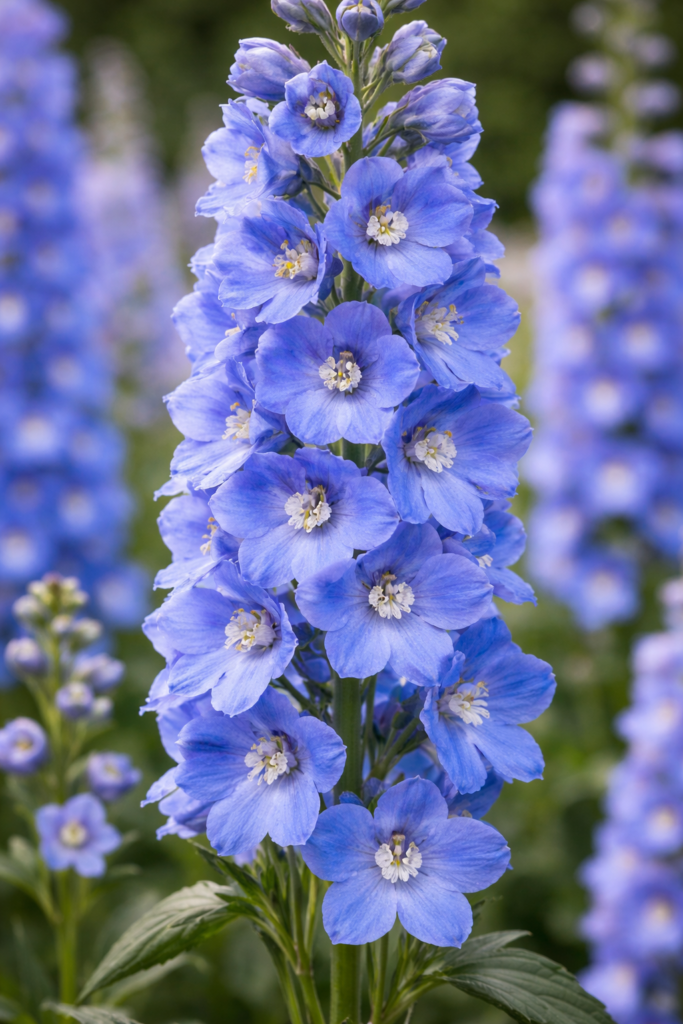
    Overview
    Delphiniums produce tall spikes covered with many beautiful flowers, making them perfect for garden backdrops.

    Varieties

    • Pacific Giant
    • Belladonna
    • Elatum

    Colors
    Blue, purple, white, pink, and lavender.

    Season
    Late spring to early summer.

    Soil

    • Rich, well-drained soil with organic matter.

    Environment

    • Full sun with protection from strong wind
    • Cool climates preferred

    Water Requirement

    • Moderate watering
    • Keep soil evenly moist

    Fertilizer

    • Use balanced fertilizer every few weeks.

    Fragrance
    Usually mild or lightly scented.

    Growing Tips

    • Stake tall plants
    • Remove faded flower spikes to encourage a second bloom

    5. Daisy
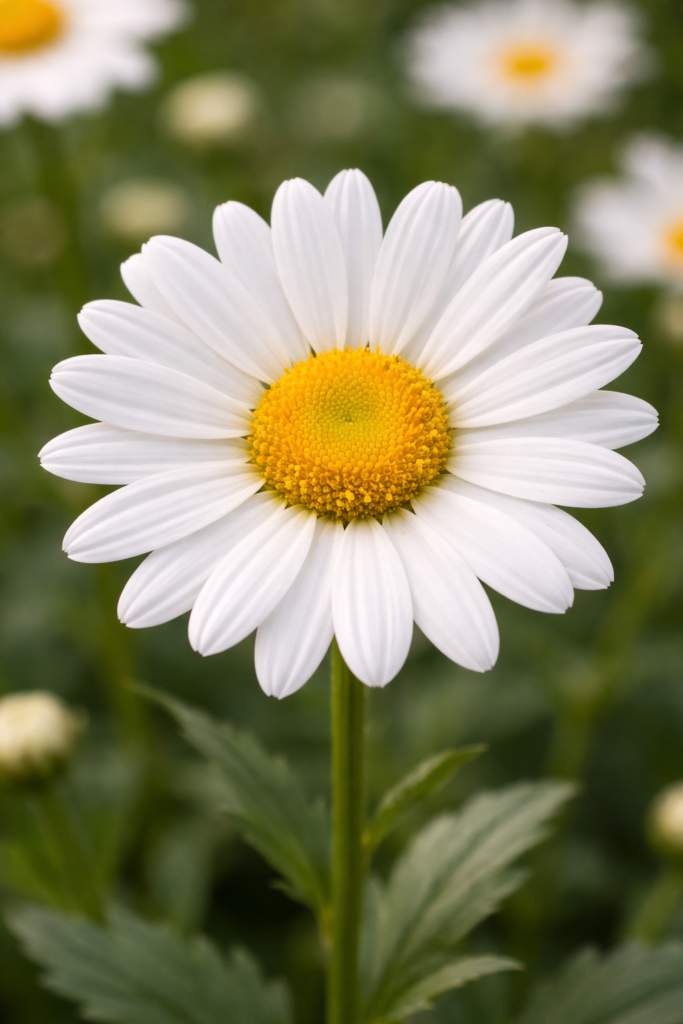
    Overview
    Daisies are simple yet charming flowers commonly seen in gardens and wild fields.

    Varieties

    • Shasta Daisy
    • African Daisy
    • Gerbera Daisy

    Colors
    White, yellow, pink, orange, and red.

    Season
    Spring through summer.

    Soil

    • Well-drained soil with moderate fertility.

    Environment

    • Full sun
    • Open, airy garden spaces

    Water Requirement

    • Moderate watering

    Fertilizer

    • Light fertilizer once a month.

    Fragrance
    Mild fragrance depending on variety.

    Growing Tips

    • Divide plants every few years
    • Deadhead regularly to encourage more blooms
  • Flower Names That Start With B

    Below is an expanded guide including varieties, colors, uses, growing conditions, propagation, soil requirements, and other key details.


    Begonia

    Properties:

    • Showy blooms and decorative foliage
    • Tuberous, fibrous, or rhizomatous types
    • Popular ornamental for homes and gardens

    Common Varieties:

    • Wax Begonia
    • Tuberous Begonia
    • Rex Begonia (grown for foliage)
    • Angel Wing Begonia

    Colors:

    • Red, pink, white, orange, yellow
    • Some varieties have multicolored foliage

    Uses:

    • Container gardening
    • Hanging baskets
    • Indoor decoration
    • Landscaping borders

    Growing Conditions:

    • Partial shade
    • 60–75°F (15–24°C)
    • Protect from frost

    Propagation:

    • Stem cuttings
    • Leaf cuttings
    • Division (tubers)

    Soil:

    • Well-drained, slightly acidic, rich in organic matter

    Other Notes:

    • Avoid waterlogging
    • Moderate humidity preferred

    Bellflower (Campanula)

    Properties:

    • Bell-shaped delicate blooms
    • Perennial in most climates
    • Attracts pollinators

    Common Varieties:

    • Canterbury Bells
    • Serbian Bellflower
    • Peach-leaved Bellflower

    Colors:

    • Blue, purple, lavender, pink, white

    Uses:

    • Rock gardens
    • Borders and edging
    • Cottage gardens

    Growing Conditions:

    • Full sun to partial shade
    • Moderate watering

    Propagation:

    • Seeds
    • Division
    • Basal cuttings

    Soil:

    • Moist, well-drained soil
    • Neutral to slightly alkaline pH

    Other Notes:

    • Deadhead for extended bloom

    Bougainvillea

    Properties:

    • Fast-growing thorny vine
    • Bright papery bracts (true flowers are small)
    • Drought-tolerant

    Common Varieties:

    • Barbara Karst
    • California Gold
    • Double Pink
    • Torch Glow

    Colors:

    • Purple, magenta, red, orange, white, yellow

    Uses:

    • Wall climber
    • Pergolas and fences
    • Container bonsai
    • Ground cover in warm climates

    Growing Conditions:

    • Full sun (6+ hours)
    • Warm tropical/subtropical climate

    Propagation:

    • Semi-hardwood cuttings
    • Layering

    Soil:

    • Well-drained sandy or loamy soil
    • Slightly acidic

    Other Notes:

    • Prune after flowering
    • Minimal watering once established

    🌷 Buttercup

    Properties:

    • Glossy petals
    • Wild and ornamental forms
    • Some species mildly toxic

    Common Varieties:

    • Meadow Buttercup
    • Persian Buttercup (ornamental Ranunculus)

    Colors:

    • Bright yellow (wild types)
    • Red, pink, orange, white (ornamental varieties)

    Uses:

    • Wildflower meadows
    • Cut flowers
    • Spring garden displays

    Growing Conditions:

    • Full sun to partial shade
    • Moist environment

    Propagation:

    • Seeds
    • Division of tubers (ornamental types)

    Soil:

    • Moist, well-drained soil
    • Tolerates clay

    Other Notes:

    • Can spread aggressively in lawns

    🌻 Black-eyed Susan

    Properties:

    • Daisy-like yellow flowers
    • Hardy perennial or biennial
    • Long blooming season

    Common Varieties:

    • Indian Summer
    • Goldsturm
    • Prairie Sun

    Colors:

    • Yellow with dark brown/black centers
    • Some bi-color orange-yellow types

    Uses:

    • Pollinator gardens
    • Borders
    • Wildflower landscaping
    • Cut flowers

    Growing Conditions:

    • Full sun
    • Drought-tolerant

    Propagation:

    • Seeds (self-seeding)
    • Division

    Soil:

    • Average well-drained garden soil

    Other Notes:

    • Very low maintenance

    🌺 Bleeding Heart

    Properties:

    • Heart-shaped blooms
    • Graceful arching stems
    • Shade-loving perennial

    Common Varieties:

    • Alba (white)
    • Gold Heart (golden foliage)
    • Valentine (deep red)

    Colors:

    • Pink and white
    • Red
    • Pure white

    Uses:

    • Woodland gardens
    • Shaded borders
    • Spring focal plant

    Growing Conditions:

    • Partial to full shade
    • Cool climates

    Propagation:

    • Root division
    • Seeds

    Soil:

    • Rich, moist, well-drained soil

    Other Notes:

    • Dies back in hot summer

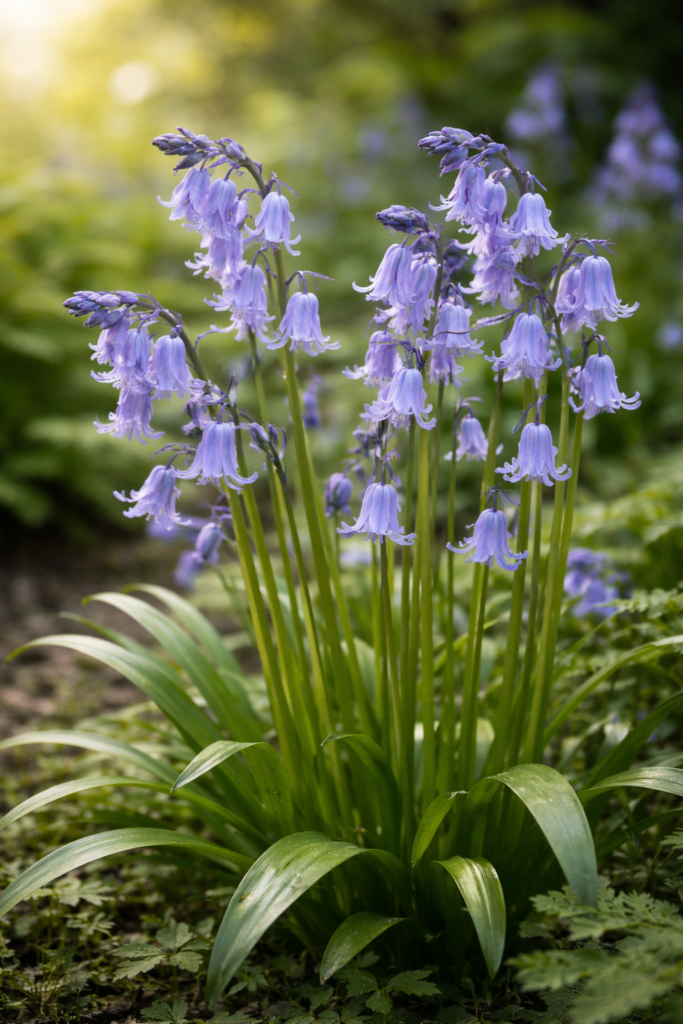
    🌼 Bluebell

    Properties:

    • Fragrant nodding bell-shaped flowers
    • Spring-blooming bulb
    • Naturalizes easily

    Common Varieties:

    • English Bluebell
    • Spanish Bluebell
    • White Bluebell

    Colors:

    • Blue-purple
    • Pink
    • White

    Uses:

    • Woodland gardens
    • Ground cover
    • Spring landscape display

    Growing Conditions:

    • Partial shade
    • Cool temperate climate

    Propagation:

    • Bulb division
    • Seeds

    Soil:

    • Moist, well-drained soil
    • Slightly acidic

    Other Notes:

    • Ideal for naturalizing under trees
  • Beautiful Flowers That Start With “A” – Complete Growing Guide

    Flowers that begin with “A” offer incredible diversity — from delicate woodland blooms to bold tropical showstoppers. Below is a detailed guide covering their season, propagation, maintenance, and growing tips to help gardeners and flower lovers understand them better.


    🌼 1. Aster

    Overview:
    Asters are star-shaped flowers that brighten gardens in late summer and autumn.

    Bloom Season: Late summer to fall

    Sunlight: Full sun

    Soil: Well-drained, moderately fertile

    Propagation:

    • Division in spring
    • Stem cuttings
    • Seeds

    Maintenance:

    • Pinch back early growth for bushier plants
    • Divide every 2–3 years
    • Watch for powdery mildew

    Special Note: Excellent for pollinators like bees and butterflies.


    🌺 2. Azalea

    Overview:
    Azaleas are flowering shrubs known for their vibrant spring blooms.

    Bloom Season: Spring (some rebloom in fall)

    Sunlight: Partial shade

    Soil: Acidic, well-drained soil

    Propagation:

    • Softwood cuttings
    • Layering

    Maintenance:

    • Prune right after flowering
    • Mulch to keep roots cool
    • Avoid overwatering

    Special Note: Popular in landscape gardens and woodland settings.


    🌷 3. Amaryllis

    Overview:
    Amaryllis produces large, trumpet-shaped flowers, often grown indoors.

    Bloom Season: Winter to early spring

    Sunlight: Bright indirect light

    Soil: Well-drained potting mix

    Propagation:

    • Bulb division
    • Offsets

    Maintenance:

    • Allow foliage to grow after flowering
    • Provide dormancy period before reblooming
    • Water sparingly during rest

    Special Note: Common holiday flower.


    🌸 4. Anemone

    Overview:
    Also known as windflowers, Anemones are delicate and colorful.

    Bloom Season: Spring or fall (varies by species)

    Sunlight: Full sun to partial shade

    Soil: Moist but well-drained

    Propagation:

    • Tubers
    • Division

    Maintenance:

    • Keep soil slightly moist
    • Protect from strong winds

    Special Note: Popular in bridal bouquets.


    🌿 5. Alyssum

    Overview:
    Low-growing plants with clusters of tiny fragrant flowers.

    Bloom Season: Spring through summer

    Sunlight: Full sun

    Soil: Well-drained soil

    Propagation:

    • Seeds (very easy to grow)

    Maintenance:

    • Trim after first bloom for reblooming
    • Tolerates light drought

    Special Note: Great ground cover and edging plant.


    🌼 6. Allium

    Overview:
    Known for globe-shaped purple flower heads.

    Bloom Season: Late spring to early summer

    Sunlight: Full sun

    Soil: Well-drained soil

    Propagation:

    • Bulbs
    • Offsets

    Maintenance:

    • Minimal care required
    • Avoid waterlogged soil

    Special Note: Deer-resistant plant.


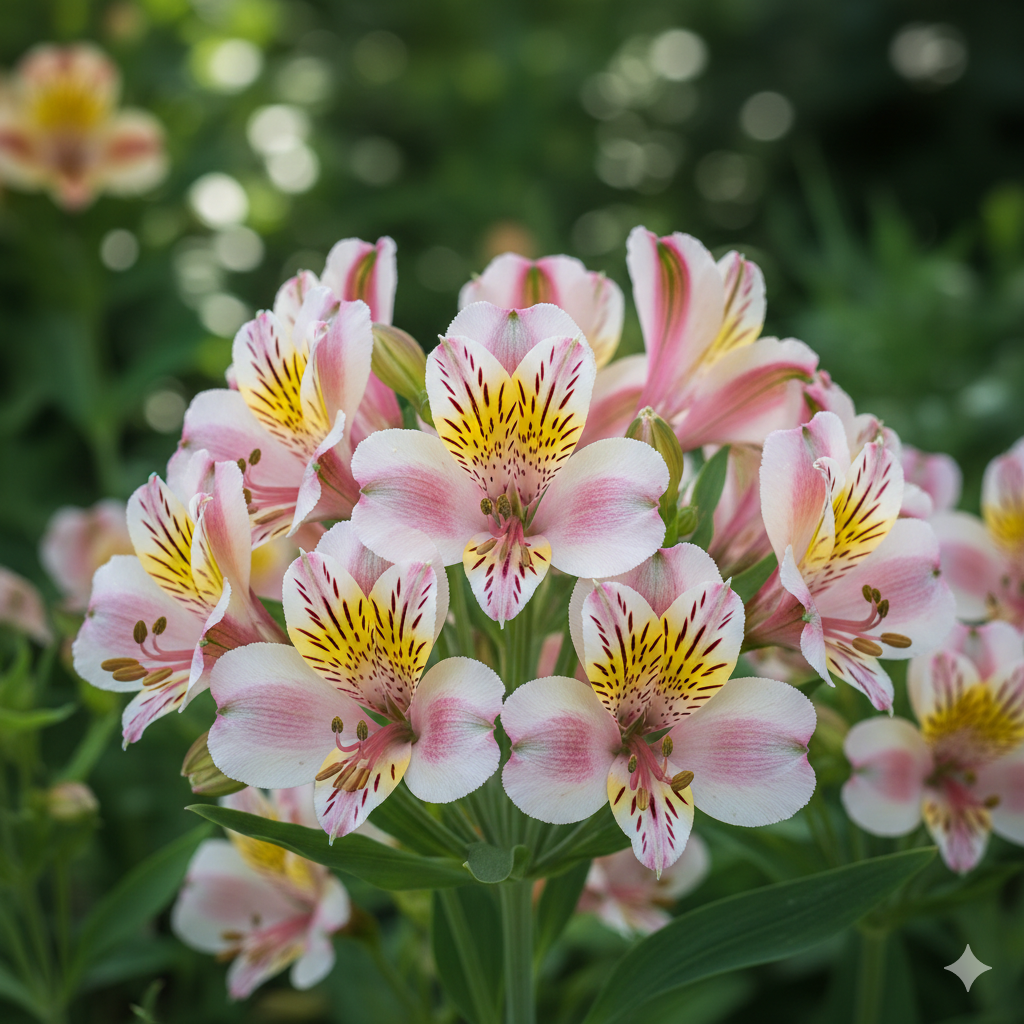
    🌺 7. Alstroemeria

    Overview:
    Also called Peruvian Lily; popular cut flower.

    Bloom Season: Late spring to summer

    Sunlight: Full sun to partial shade

    Soil: Fertile, well-drained soil

    Propagation:

    • Division of rhizomes

    Maintenance:

    • Regular watering
    • Remove spent flowers
    • Protect from extreme heat

    Special Note: Long vase life.


    🌷 8. Angelonia

    Overview:
    Called summer snapdragon due to its flower shape.

    Bloom Season: Summer to fall

    Sunlight: Full sun

    Soil: Well-drained soil

    Propagation:

    • Seeds
    • Stem cuttings

    Maintenance:

    • Heat tolerant
    • Deadheading encourages more blooms

    Special Note: Thrives in hot climates.


    🌿 9. Artemisia

    Overview:
    Grown mainly for silvery foliage rather than flowers.

    Bloom Season: Summer

    Sunlight: Full sun

    Soil: Dry, well-drained soil

    Propagation:

    • Division
    • Cuttings

    Maintenance:

    • Very drought tolerant
    • Avoid overwatering

    Special Note: Adds texture to gardens.


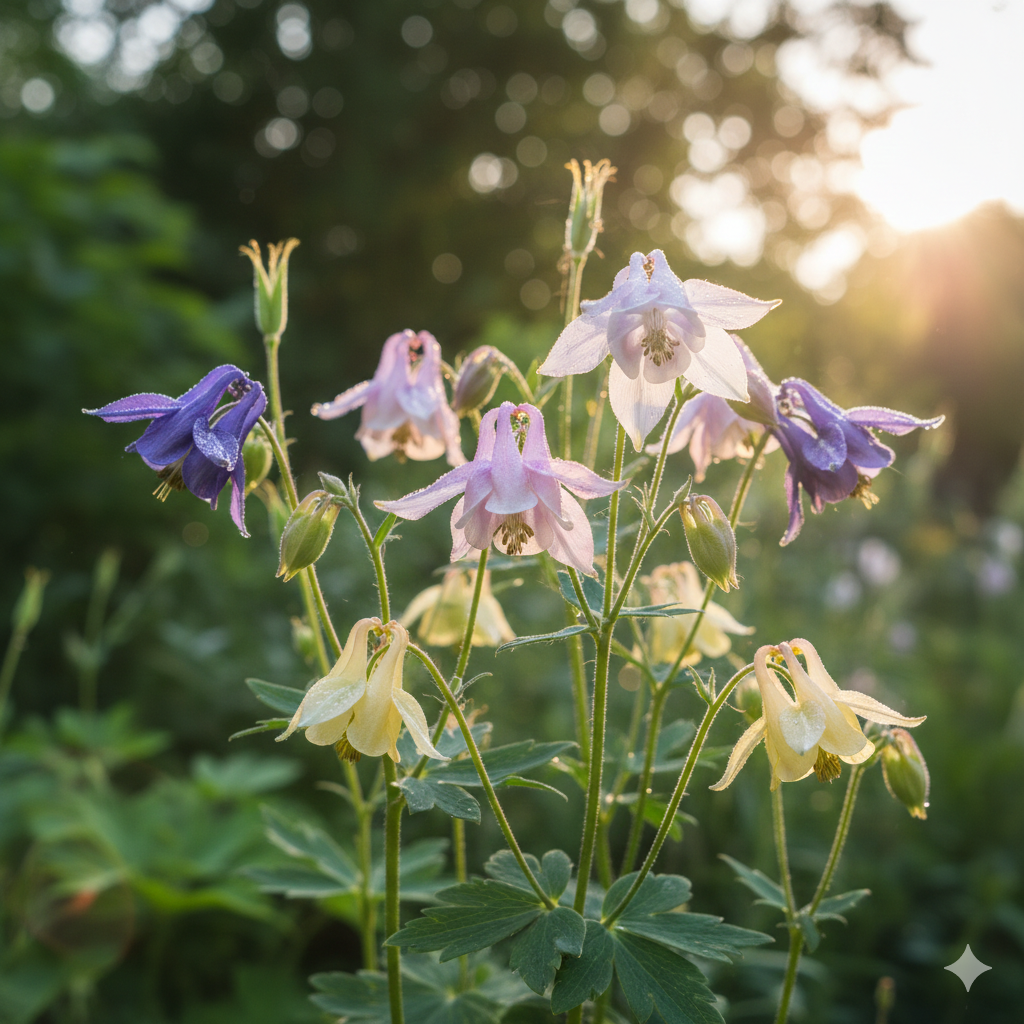
    🌸 10. Aquilegia (Columbine)

    Overview:
    Unique spurred flowers that attract hummingbirds.

    Bloom Season: Spring to early summer

    Sunlight: Partial shade

    Soil: Moist, well-drained soil

    Propagation:

    • Seeds (self-seeds easily)

    Maintenance:

    • Remove faded flowers
    • Allow some seeds to spread naturally

    Special Note: Great for cottage gardens.


    🌼 Final Thoughts

    These “A” flowers range from low-maintenance ground covers to elegant indoor bloomers. Understanding their season, sunlight needs, soil preference, and propagation methods helps ensure healthy growth and vibrant blooms year after year.

    If you’d like, I can also create:

    • A comparison table format
    • A PDF-ready article
    • Or expand this into a school project format 🌺