Below is an expanded guide including varieties, colors, uses, growing conditions, propagation, soil requirements, and other key details.
Begonia

Properties:
- Showy blooms and decorative foliage
- Tuberous, fibrous, or rhizomatous types
- Popular ornamental for homes and gardens
Common Varieties:
- Wax Begonia
- Tuberous Begonia
- Rex Begonia (grown for foliage)
- Angel Wing Begonia
Colors:
- Red, pink, white, orange, yellow
- Some varieties have multicolored foliage
Uses:
- Container gardening
- Hanging baskets
- Indoor decoration
- Landscaping borders
Growing Conditions:
- Partial shade
- 60–75°F (15–24°C)
- Protect from frost
Propagation:
- Stem cuttings
- Leaf cuttings
- Division (tubers)
Soil:
- Well-drained, slightly acidic, rich in organic matter
Other Notes:
- Avoid waterlogging
- Moderate humidity preferred
Bellflower (Campanula)

Properties:
- Bell-shaped delicate blooms
- Perennial in most climates
- Attracts pollinators
Common Varieties:
- Canterbury Bells
- Serbian Bellflower
- Peach-leaved Bellflower
Colors:
- Blue, purple, lavender, pink, white
Uses:
- Rock gardens
- Borders and edging
- Cottage gardens
Growing Conditions:
- Full sun to partial shade
- Moderate watering
Propagation:
- Seeds
- Division
- Basal cuttings
Soil:
- Moist, well-drained soil
- Neutral to slightly alkaline pH
Other Notes:
- Deadhead for extended bloom
Bougainvillea
Properties:
- Fast-growing thorny vine
- Bright papery bracts (true flowers are small)
- Drought-tolerant
Common Varieties:
- Barbara Karst
- California Gold
- Double Pink
- Torch Glow
Colors:
- Purple, magenta, red, orange, white, yellow
Uses:
- Wall climber
- Pergolas and fences
- Container bonsai
- Ground cover in warm climates
Growing Conditions:
- Full sun (6+ hours)
- Warm tropical/subtropical climate
Propagation:
- Semi-hardwood cuttings
- Layering
Soil:
- Well-drained sandy or loamy soil
- Slightly acidic
Other Notes:
- Prune after flowering
- Minimal watering once established
🌷 Buttercup

Properties:
- Glossy petals
- Wild and ornamental forms
- Some species mildly toxic
Common Varieties:
- Meadow Buttercup
- Persian Buttercup (ornamental Ranunculus)
Colors:
- Bright yellow (wild types)
- Red, pink, orange, white (ornamental varieties)
Uses:
- Wildflower meadows
- Cut flowers
- Spring garden displays
Growing Conditions:
- Full sun to partial shade
- Moist environment
Propagation:
- Seeds
- Division of tubers (ornamental types)
Soil:
- Moist, well-drained soil
- Tolerates clay
Other Notes:
- Can spread aggressively in lawns
🌻 Black-eyed Susan

Properties:
- Daisy-like yellow flowers
- Hardy perennial or biennial
- Long blooming season
Common Varieties:
- Indian Summer
- Goldsturm
- Prairie Sun
Colors:
- Yellow with dark brown/black centers
- Some bi-color orange-yellow types
Uses:
- Pollinator gardens
- Borders
- Wildflower landscaping
- Cut flowers
Growing Conditions:
- Full sun
- Drought-tolerant
Propagation:
- Seeds (self-seeding)
- Division
Soil:
- Average well-drained garden soil
Other Notes:
- Very low maintenance
🌺 Bleeding Heart

Properties:
- Heart-shaped blooms
- Graceful arching stems
- Shade-loving perennial
Common Varieties:
- Alba (white)
- Gold Heart (golden foliage)
- Valentine (deep red)
Colors:
- Pink and white
- Red
- Pure white
Uses:
- Woodland gardens
- Shaded borders
- Spring focal plant
Growing Conditions:
- Partial to full shade
- Cool climates
Propagation:
- Root division
- Seeds
Soil:
- Rich, moist, well-drained soil
Other Notes:
- Dies back in hot summer
🌼 Bluebell
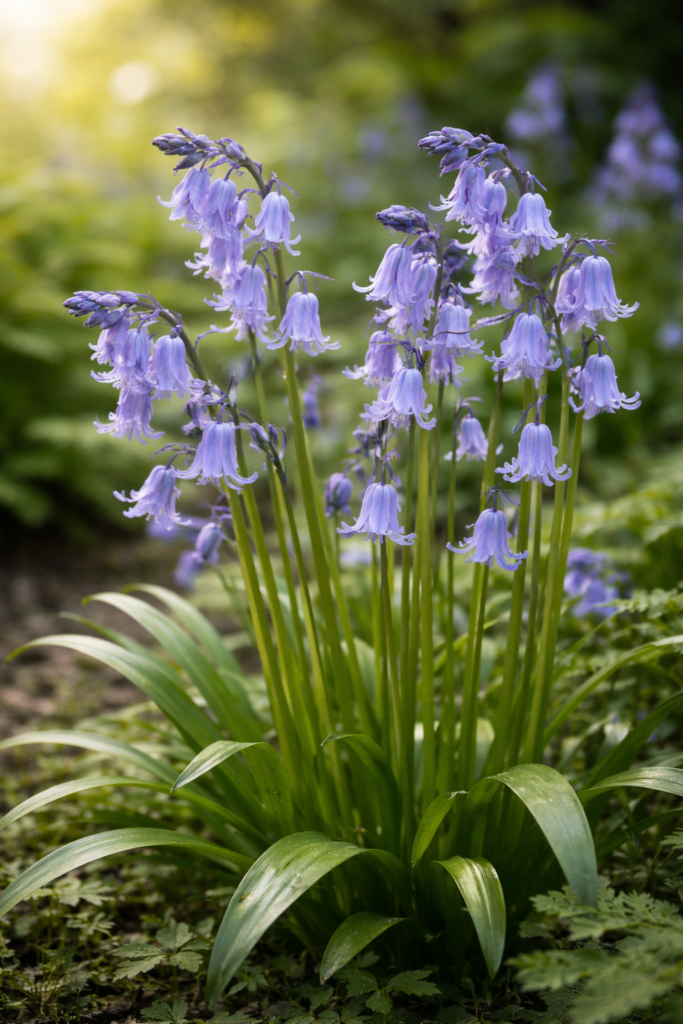
Properties:
- Fragrant nodding bell-shaped flowers
- Spring-blooming bulb
- Naturalizes easily
Common Varieties:
- English Bluebell
- Spanish Bluebell
- White Bluebell
Colors:
- Blue-purple
- Pink
- White
Uses:
- Woodland gardens
- Ground cover
- Spring landscape display
Growing Conditions:
- Partial shade
- Cool temperate climate
Propagation:
- Bulb division
- Seeds
Soil:
- Moist, well-drained soil
- Slightly acidic
Other Notes:
- Ideal for naturalizing under trees
Leave a Reply